Losing Your Wallet Costs You Far More Than The Cash Inside — And This Credit-Card-Thin Card Helps You Get It Back

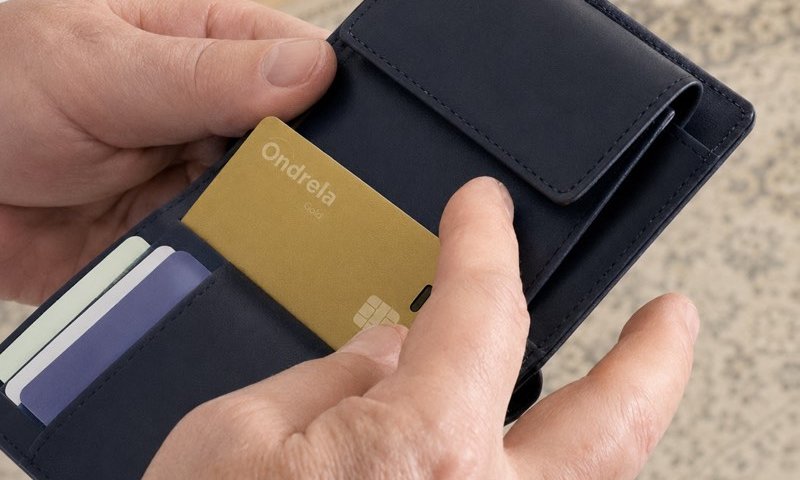
YOU KNOW THE MOMENT. You reach for your back pocket at the checkout line — and it's empty. You pat every pocket twice. You check the same pocket a third time, as if the wallet might have appeared in the last four seconds. Your stomach drops.
Maybe you left it at the restaurant. Maybe it slid out at the gas station. Maybe it's under the couch at home — or maybe it's already in someone else's hands, and you won't know for hours.
Here's what most people get wrong about that moment: the cash is the least of your problems. What's actually inside your wallet is your driver's license, your credit and debit cards, maybe an insurance card — your full name, your address, your date of birth. Replacing all of it takes days of phone calls, DMV lines, and fraud monitoring. And every hour you don't know the wallet is gone is an hour someone else can put that information to work.
I spent two weeks testing a product built specifically for that moment — a tracker card called Ondrela that hides inside your wallet and tells your phone the second the two of you get separated. Here's everything you need to know.
Why A Lost Wallet Is Worse Than You Think
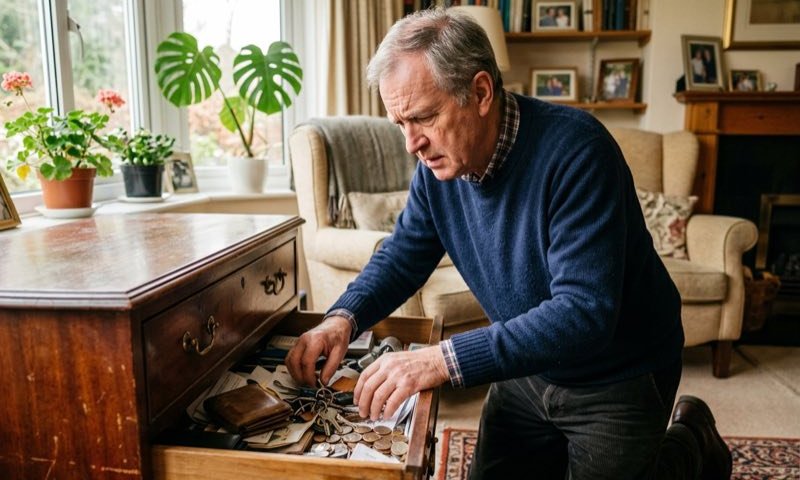
Ask anyone who's actually lost a wallet what the worst part was, and you'll almost never hear "the money." You'll hear about the driver's license. The week of canceling and reissuing cards. The new account numbers to memorize, the autopay bills to update, the nagging worry every time an unfamiliar charge could appear.
Security experts have a name for what matters most in that situation: the discovery window — the gap between your wallet leaving your control and you realizing it's gone. Find it in the first hour and it's an annoying detour. Find it the next morning, and you're spending your week on hold with banks.
A coworker of mine lost hers at an airport last year. The cash inside was $60. The aftermath lasted three weeks: two trips to the DMV, four cards canceled and reissued, a fraud alert on a store account she'd never opened, and a credit score that took months to climb back. She did everything right after the fact — she just found out too late.
The problem is, a wallet has no way to tell you it's been left behind. It just sits there — on the restaurant table, in the shopping cart, on the hotel nightstand — while you walk further and further away, none the wiser.
That's exactly the gap a tracker is supposed to close. So why doesn't everyone already have one in their wallet?
The Problem With Every Tracker You've Seen
Because until now, trackers weren't really made for wallets. Look at the options most people know, and the same complaints come up again and again:
✗ The round fobs are too thick. The popular coin-shaped trackers are great on a keychain — but stack about eight credit cards on top of each other and jam that into your wallet. That's what they feel like. Most people who try one in a wallet end up with a permanent bulge they hate, and pull it out within a month.
✗ Dead batteries ruin the whole point. Some wallet cards are sealed shut — when the battery dies, the whole card is trash. Others need a fresh charge every few weeks, which means the one time you actually lose your wallet is, of course, the week you forgot to charge it.
✗ The best features hide behind subscriptions. Some tracker brands lock their "left behind" alerts and location history behind a monthly fee — so the tracker you already paid for keeps billing you every year just to do its main job.
✗ Android users get left out. Several of the best-known options only work properly with iPhones. Switch phones, and your tracker turns into a plastic coaster.
In other words: the idea was always right. The hardware just never fit the wallet — literally. Which is what makes the card I tested so interesting.
What Is Ondrela?
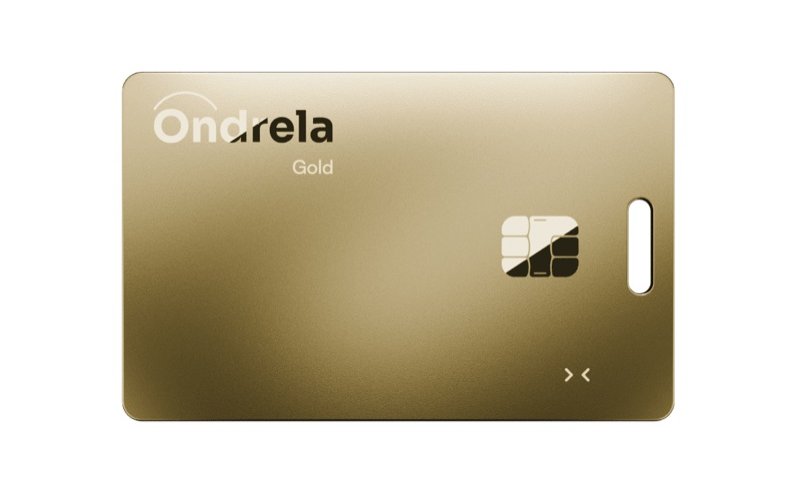
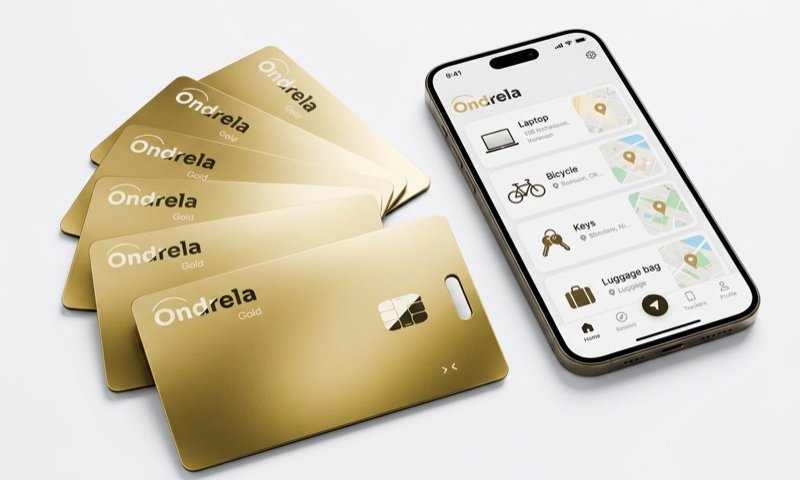
Ondrela is a smart tracker card — a location tracker built into a card as thin as the credit cards already in your wallet. It slides into any standard card slot, adds no visible bulk, and quietly does one job: it makes sure you always know where your wallet is.
There are no extra apps to install and no accounts to create. Ondrela connects directly to the tracker feature already built into your iPhone or Android phone — pairing takes under a minute, and from then on the card lives in your wallet and reports to your phone.
And it's deliberately finished in brushed gold rather than gadget-black. That turns out to be a clever bit of design psychology: it doesn't look like a tracking device at all. It looks like a premium bank card — which means if your wallet ever does end up in the wrong hands, there's no obvious gadget to yank out and toss. It hides in plain sight.
I Tested It For Two Weeks. Here's What Happened.
I'm skeptical of anything that promises to "never lose X again," so I ran Ondrela through the three scenarios that actually matter.
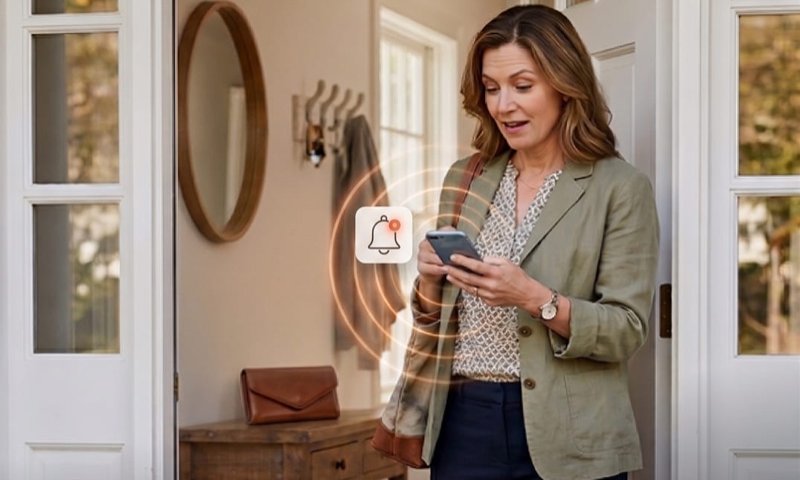
Test one: the walk-away. I dropped the card in my wallet, left the wallet on a café table, and headed for the door. My phone buzzed before I'd taken ten steps — an alert that I'd left my wallet behind. That single alert is the entire point: the discovery window shrinks from hours to seconds. You never get more than a room away from your wallet without knowing.
Test two: the real loss. The next day I left the wallet across town and opened the map. There it was, pinned down to the block. The card quietly reports its location through the devices around it, so a wallet left at the office, at a friend's place, or in a taxi shows up on the map instead of vanishing.
Test three: the couch cushion. For the everyday "it's somewhere in this house" panic, I hid the wallet deep between sofa cushions and tapped the app. The card rang out loud and clear through the cushions — found in seconds, no tearing the living room apart.
Setup took me less time than adding a card to my phone's wallet: slip it into a card slot, open the phone's built-in tracker app, tap to connect. Done. The most common reaction from people I showed it to was "that's it?" — yes, that's it.
Six Months On One Charge. Zero Monthly Fees.
Two details will matter to anyone who's been burned by a tracker before.
First, the battery: a single charge lasts about six months. When it's finally time to top up, you just lay the card on a wireless charging pad — the same kind you use for your phone. No cables, no prying anything open, and no throwing the card away when the battery dies. It's built to be recharged and kept for years.
Second, the cost of ownership: there are no monthly fees and no subscription. The leave-behind alerts, the map, the ringing — everything the card does is included from day one. You buy it once and it just works, which is more than some of the best-known tracker brands can say.
It's also water resistant and built for daily use — rain, a spilled coffee, a trip through a crowded commute. It rides in your wallet like any other card and asks for nothing.
"Wait — Doesn't A Tracker Let Someone Track Me?"
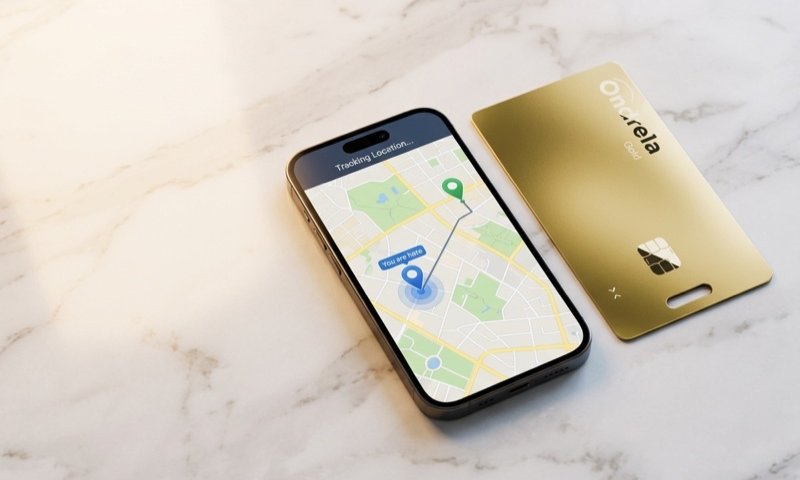
It's the smartest question to ask, and the answer is the part I liked most. Ondrela's location is encrypted and visible only to you — the phone paired to your card is the only place on earth that can see where it is. Not the company, not a stranger, not anyone who finds the card.
And here's the contrast worth sitting with: the wallet itself is the real privacy risk. Lose it, and your name, address, and cards are in a stranger's hands. The Ondrela card, by contrast, carries no personal information at all — find it, and all you're holding is an anonymous gold card that tells you nothing, while it quietly tells its owner exactly where it is.
What Owners Are Saying
The notes from early buyers keep circling back to the same moment — the alert that arrived in time.
Marcus H. drove back for his: "My wallet slipped out of my pocket at a rest stop two hours from home. My phone flagged it before I'd even merged back onto the highway. Turned around, and there it was on the bench. That one alert paid for the card on the spot."
And Dana W. got one for her mother: "Mom is 79 and misplaces her purse around the house every week. Now she taps her phone and follows the sound. Last week it was buried in the hall closet. I set the whole thing up for her in about five minutes."
Not Just For Wallets
Once you have one, the uses multiply fast. Owners slip them into passport holders and luggage before a trip, tuck them into laptop bags and backpacks, and stash them in glove compartments. Anything you'd hate to lose — or hate to spend a week replacing — is a candidate.
That's also why so many people buy them in pairs: one for their own wallet, one for the person they worry about most. Which brings us to the price.
How Much Does It Cost?
Think about what a lost wallet actually costs: the replacement fees, the hours on the phone with banks, the fraud-watch stress — identity-monitoring services alone run $120 to $300 per year, and they only tell you after something's wrong.
Ondrela normally retails for $82.99, but right now the company is running a limited-time promotion of 46% OFF — just $44.99 instead of $82.99, saving you $38. That's a one-time cost, with no subscription after it — about the price of a decent dinner out, for years of not losing your wallet.
Protecting more than one wallet? A lot of buyers grab one for themselves and one for a spouse, a parent, or their luggage — multi-card bundles at checkout bring the per-card price down further.
More importantly, you're not risking a cent: every order comes with a 30-day money-back guarantee. Slip it in your wallet, test it against your own routine for a full month, and if it doesn't give you that peace of mind, send it back for a full refund.
Pros
- As thin as a credit card — no wallet bulge
- Instant alert the moment you leave it behind
- Map location + rings out loud when it's nearby
- ~6 months per charge, wireless recharging
- iPhone & Android, no app to install, no monthly fees
- 46% OFF + 30-day money-back guarantee
Cons
- Only available online
- Needs a wireless charging pad for top-ups (the kind phones use)
- Limited inventory at the 46% discount price
Common Questions
Q: Will it make my wallet bulky?
No. Ondrela is engineered to be as thin as a standard credit card, so it slips into any card slot without adding noticeable bulk — no bulge, no gadget look.
Q: Does it work with my phone?
Yes — it connects to the tracker feature already built into iPhones and Android phones. No extra app to install, and setup takes under a minute: open your phone's tracker app, tap add, hold the card nearby.
Q: How long does the battery last?
Around six months on a single charge. When it's time, just place the card on any wireless charging pad, just like your phone — no cables, and no replacing the card when the battery runs down.
Q: Are there monthly fees?
None. The leave-behind alerts, map location, and ringing are all included — no subscription, ever.
Q: What if someone steals my wallet — can't they just toss the card?
They'd have to spot it first. Ondrela looks like a premium gold bank card, not a tracking device — it hides in plain sight in a normal card slot, with no gadget to spot and pull out. And the leave-behind alert usually reaches your phone within moments of the wallet going missing.
Q: What if it doesn't work for me?
Every order is covered by a 30-day money-back guarantee. Test it in your own wallet for a full month; if you're not happy, return it for a full refund.
Our Verdict
A lost wallet is a race you don't know you're running. Every tracker that came before asked you to accept a brick in your wallet, a dead battery, or a monthly bill — Ondrela is the first one we've tested that simply disappears into a card slot and does the job: it tells you the second your wallet is left behind, shows you where it is, and rings when it's hiding nearby.
At 46% OFF — with 30 days to make up your mind and no subscription after — the only thing you stand to lose is that pocket-patting moment of panic.
30-day money-back guarantee · No monthly fees · Available online only
Latest Reader Reviews
What our readers are saying about Ondrela:
My father is 74 and still drives everywhere. After he misplaced his wallet at a gas station last year I couldn't sleep over it. Slipped one of these into his wallet in about ten seconds and set up his phone myself. Two weeks later he left the wallet at a diner — his phone pinged him before he reached the car. He turned right around and grabbed it. I bought four more for the whole family.
My husband left his wallet in a rideshare last month and we had it back within the hour — the map showed exactly where it was. After watching my brother spend over a year untangling identity theft, I bought one for everyone I love. Cheapest peace of mind I've ever paid for, and I barely know it's there.
I tried a round tracker in my wallet last year and hated the bulge so much I tossed it in a drawer. This one is literally a card — my wallet closes exactly the same as before. Left my wallet at the gym on Tuesday, phone alerted me in the parking lot. That's the whole product right there.
Bought this for my husband who loses his wallet roughly twice a month — in the house. Now instead of tearing the house apart I just make it ring from my phone and follow the sound. Found it inside a jacket pocket, between couch cushions, and once in the laundry basket. Worth it for my sanity alone.
I'm on Android and my wife has an iPhone — both paired with no fuss, no app downloads. What sold me was no monthly fee. My old tracker wanted a subscription just for the leave-behind alerts, which is the one feature that matters. Set it up in under a minute and it's been riding in my wallet ever since.
Put one in my passport holder before a work trip and one in my carry-on. Very reassuring seeing them on the map while traveling. Only note is you need a wireless charging pad when it eventually needs a charge — same one my phone uses, so not a big deal. Haven't had to charge it yet in two months anyway.
Lost my wallet two years ago and the worst part wasn't the $60 in it — it was the DMV line, three new cards, and updating every autopay I had. Saw this review and ordered the same day. It lives next to my license now and I genuinely forget it's there until my phone reminds me the wallet and I have separated. Should exist in every wallet sold.